If your baby is arriving early, or on the smaller side, you’ve probably already figured out that fit matters a lot.
But there’s something just as important that many parents overlook at first: the fabric your baby wears.
Preemies and small newborns have much more delicate skin and need help regulating their body temperature. That means the material you choose can make a real difference in comfort (and even sleep).
Let’s break down what actually matters and what to look for.
Why Fabric Matters More for Preemies
Preemies aren’t just smaller, they’re more sensitive in a few key ways:
- Their skin is thinner and more delicate
- They can’t regulate temperature as well as older babies
- They’re more prone to irritation, dryness, or overheating
Because of this, the wrong fabric can lead to:
- overheating
- fussiness
- skin irritation
Babies can’t regulate temperature as well as older kids, so breathable fabrics help prevent overheating.
That’s why choosing the right material isn’t just about softness, it’s about function.
Common Fabrics for Preemie Clothes (And How They Compare)
Cotton
- Soft and widely available
- Breathable, but not always temperature regulating
- Can feel stiff or lose shape after washing
Cotton is a solid basic, but not always the most flexible or adaptive for smaller babies.
Synthetic Blends (Polyester, etc.)
- Stretchy and durable
- Often cheaper
But:
- Can trap heat
- Less breathable
- May feel rough on sensitive skin
- Can irritate delicate or eczema-prone skin
These are common, but not always the best choice for delicate preemie skin.
Some parents also notice increased irritation or flare-ups when using synthetic fabrics, especially for babies with eczema or very sensitive skin.
Bamboo Fabric
- Extremely soft and smooth
- Naturally breathable
- Helps regulate temperature
- Gentle on sensitive skin
- Has natural stretch (great for fit + longer wear)
Bamboo fabric has become one of the most recommended options for preemie clothing because it naturally solves the biggest challenges parents run into.
Why Bamboo Works So Well for Preemies

When you combine everything preemies need, bamboo checks a lot of boxes:
1. Temperature regulation
Helps keep babies warm without overheating: especially helpful for smaller babies who struggle to regulate body temp
2. Gentle on sensitive skin
Smooth fibers reduce irritation: great for babies prone to dryness or eczema
3. Natural stretch
Adapts to your baby’s size: helps clothes fit better and last longer
This is why many parents end up switching to more flexible fabrics (like bamboo baby sleepers) after trying traditional cotton options.
How Fabric Affects Fit (More Than You Think)
Even if you pick the “right size,” fabric plays a big role in how clothes actually fit.
- Stiffer fabrics = tighter, less forgiving
- Stretchy fabrics = more adaptable and longer-lasting
For preemies, this matters even more because:
- sizing can vary a lot
- babies grow quickly
- comfort is everything
👉 Many parents searching what size is preemie clothes or comparing preemie vs newborn size quickly realize that fabric plays a big role in how those sizes actually fit.
If you’re still figuring out sizing, it helps to start here:
Preemie vs newborn sizing guide
How Many Pieces Should You Buy?
Most parents don’t need a huge wardrobe, especially for preemie sizes.
Start small, then adjust based on your baby’s growth.
If you want a simple breakdown:
How many preemie clothes do you actually need?
What to Look for in Preemie Clothes (Quick Checklist)
When choosing clothes, prioritize:
- Soft, breathable fabric
- Gentle stretch (for comfort + fit)
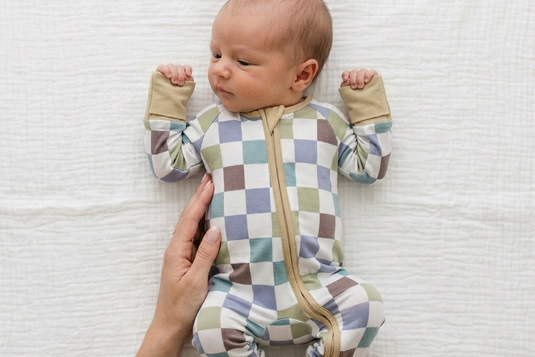
- Easy diaper access (zippers preferred over snaps for many parents)
- Tag-free or minimal seams
These small details make a big difference day-to-day.
A Simple Recommendation
If you’re unsure where to start:
Choose a few well-fitting essentials in a soft, breathable fabric (like bamboo), and build from there.
You don’t need a full wardrobe right away, just pieces that:
- fit properly
- keep your baby comfortable
- make daily changes easier
Most parents don’t realize how much fabric affects comfort until after trying a few options, starting with breathable, flexible materials can save a lot of trial and error.
Shop Comfortable Preemie Essentials

If you’re looking for soft, breathable options designed with smaller babies in mind: